Introduction
A beautiful haircut can completely change your appearance, improve your confidence, and help you express your personality. Whether you prefer a simple everyday look or a fashionable transformation, choosing the right hair cutting style is an important part of personal grooming. The perfect haircut does more than make your hair look attractive; it also complements your face shape, matches your lifestyle, and makes your daily hair routine easier.
Today, there are countless haircut options for men and women. From classic bobs and elegant layers to modern fades and textured cuts, everyone can find something that matches their preferences. Fashion trends continue to change, but a well-selected haircut can remain stylish for a long time.
In this guide, you will discover popular haircut trends, different styles for short and long hair, options for various face shapes, and practical tips for maintaining healthy-looking hair. Whether you are visiting a professional salon or planning a small change at home, this article will help you make a better decision.
What Is a Hair Cutting Style?
A hair cutting style refers to the particular shape, length, and arrangement created by cutting someone’s hair. It determines how the hair falls around the face, how much volume it has, and how easy it is to manage.
Some haircuts focus on maintaining length, while others create movement, texture, or a completely different appearance. The right choice depends on several factors, including hair texture, thickness, face shape, personal taste, and maintenance requirements.
A professional hairstylist usually considers these details before recommending a suitable haircut. This helps ensure that the final result looks balanced and works naturally with the client’s hair.
Popular Hair Cutting Style Trends
Hair fashion offers many creative possibilities. Some trends are inspired by classic hairstyles, while others introduce modern shapes and techniques. Below are some popular options worth considering.
1. Layered Haircut
A layered haircut is one of the most versatile choices for people who want movement and dimension. In this technique, hair is cut at different lengths to create layers throughout the hairstyle.
Layers can make thick hair feel lighter and help fine hair appear fuller when designed correctly. They also add natural movement and can frame the face beautifully.
This option works with short, medium, and long hair. You can style it with loose waves, a straight finish, or soft curls depending on your preference.
2. Bob Haircut
The bob is a timeless haircut that usually sits around the chin, jawline, or shoulders. It is popular because it looks clean, elegant, and easy to style.
There are several variations, including the classic bob, blunt bob, asymmetrical bob, and textured bob. A blunt version creates a sharp and polished appearance, while a layered bob offers more movement.
If you want a noticeable change without choosing an extremely short haircut, the bob can be a great option.
3. Pixie Cut
The pixie cut is a short hairstyle that gives a fresh, confident, and modern appearance. It generally features shorter hair around the sides and back, with slightly longer sections on top.
This haircut is suitable for people who enjoy short hair and want a low-effort styling routine. It can also be customized with side-swept bangs, textured layers, or a soft fringe.
A pixie cut may require regular salon visits to maintain its shape, but everyday styling is often quick and simple.
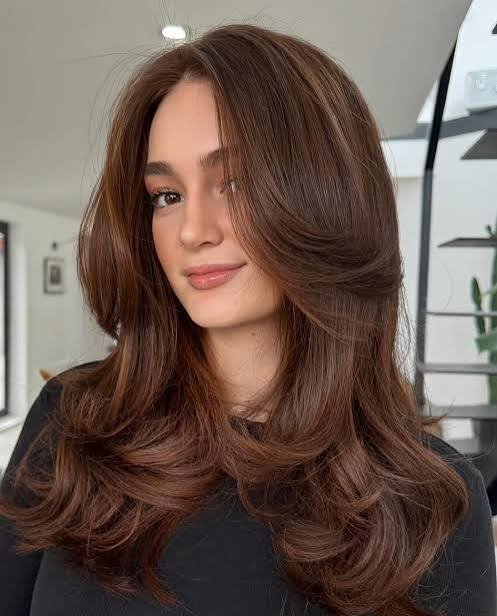
4. Butterfly Haircut
The butterfly haircut combines shorter face-framing layers with longer layers at the back. It creates the appearance of a shorter hairstyle when the front sections are styled around the face, while keeping the overall length.
This look is especially popular among people who want volume without losing much hair length. It can be styled with a blow-dryer, round brush, or large curling iron.
5. Wolf Cut
The wolf cut combines shaggy layers with a slightly edgy shape. It usually features shorter, textured layers near the crown and longer sections toward the ends.
This haircut creates a relaxed and fashionable appearance. It works particularly well with naturally wavy or textured hair, although it can also be adapted for straight hair.
6. Blunt Cut
A blunt haircut features ends cut at a relatively even length. It creates a neat and structured appearance, making it a popular option for people who prefer simple hairstyles.
A blunt cut can be worn on short, medium, or long hair. It may also make fine hair appear thicker because the ends look fuller.
Best Hair Cutting Style for Women
Women can choose from a wide range of hairstyles depending on their hair length, face shape, and personal preferences. Some prefer elegant and traditional cuts, while others enjoy bold and modern transformations.
Short Haircuts for Women
Short hairstyles are practical, stylish, and easy to maintain. Popular choices include:
Pixie cut: A fashionable option for a bold and fresh appearance.
Short bob: A classic haircut that frames the face.
Textured crop: A modern option with movement and volume.
Layered short cut: Adds dimension and reduces excessive weight.
French bob: A chic, shorter bob often paired with bangs.
Short hair can be styled with minimal products. A little styling cream or lightweight mousse may help create texture and hold.
Medium-Length Haircuts for Women
Medium-length hair offers flexibility because it is long enough for different hairstyles but usually easier to manage than very long hair.
Popular options include shoulder-length layers, lob haircuts, curtain bangs, and textured cuts. These hairstyles can be worn straight, curled, or tied into a ponytail.
A medium-length hair cutting style is a good choice for people who want a balance between convenience and styling options.
Long Haircuts for Women
Long hair provides many styling possibilities. However, choosing the right cut is important to prevent the hair from looking flat or heavy.
Some attractive options include:
Long layered haircut
U-shaped haircut
V-shaped haircut
Face-framing layers
Long curtain bangs
Soft feathered layers
These cuts can add movement and help create a more balanced appearance. Regular trimming also helps maintain the shape and remove damaged ends.
Best Hair Cutting Style for Men
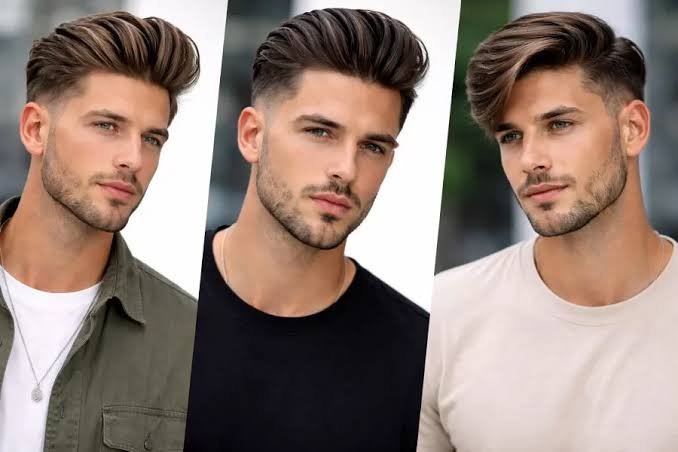
Men’s hairstyles have become increasingly diverse, with options ranging from traditional cuts to modern textured looks. The best choice depends on hair type, face shape, professional environment, and preferred styling routine.
1. Fade Haircut
A fade haircut gradually reduces hair length from the top toward the sides and back. It creates a clean transition and can be combined with many hairstyles.
Common variations include low fade, mid fade, high fade, and skin fade. A fade can be paired with textured hair, a quiff, a pompadour, or a simple short top.
2. Undercut
The undercut features shorter sides and back with noticeably longer hair on top. The contrast gives it a modern and distinctive appearance.
The longer top can be brushed backward, styled to one side, or left naturally textured. This haircut is suitable for people who enjoy experimenting with different looks.
3. Crew Cut
The crew cut is a short, practical hairstyle that requires very little daily styling.

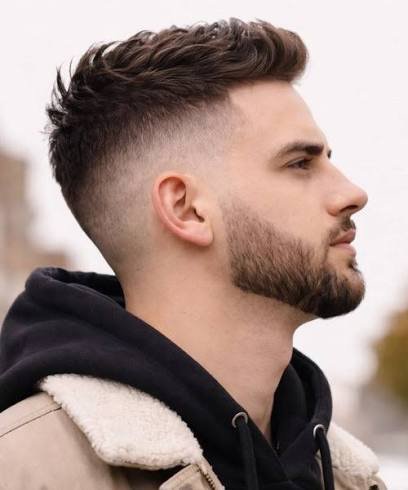
4. Textured Crop
A textured crop features short sides and a layered or textured top. It can be styled forward, with a fringe, or in a slightly messy finish.
This haircut is popular because it provides a modern look without requiring complicated styling techniques.
5. Quiff Hairstyle
The quiff features longer hair at the front, styled upward and backward to create volume. It can be combined with faded or tapered sides.
A hair dryer and a small amount of styling product can help maintain its shape.
6. Classic Side Part
The side part is a traditional men’s hairstyle that remains popular because of its clean and professional appearance. Hair is divided along a natural or defined parting and combed to one side.
It works well for formal occasions, office environments, and everyday grooming.
How to Choose a Haircut According to Your Face Shape
Your face shape can help you identify haircuts that create a balanced appearance. However, these suggestions are guidelines rather than strict rules. Personal preference and hair texture are equally important.
Round Face Shape
A round face usually has softer angles and similar width and length measurements. Hairstyles that add height or create vertical movement can help make the face appear longer.
Consider layered cuts, side-swept bangs, textured tops, and styles with volume at the crown.
Oval Face Shape
An oval face is generally balanced, which makes it suitable for many haircut options.
Bobs, pixie cuts, long layers, curtain bangs, fades, and side parts can all work well. You can choose a style based on your hair texture and personal taste.
Square Face Shape
A square face often features a defined jawline and a broader forehead. Soft layers, textured hairstyles, and side-swept fringes can create a balanced look.
For men, textured tops and tapered sides may also complement the overall appearance.
Heart-Shaped Face
A heart-shaped face generally has a wider forehead and a narrower chin. Chin-length bobs, soft waves, and side-parted hairstyles can help balance the proportions.
Avoid choosing a haircut only because it is trending. Ask your stylist to adjust the shape according to your natural features.
Long Face Shape
People with longer faces may prefer hairstyles that add width and avoid excessive height. Medium-length layers, waves, curtain bangs, and side fringes can be useful options.
How to Choose a Haircut According to Your Hair Type
Hair texture plays an important role in how a haircut looks after styling. A cut that works beautifully on straight hair may behave differently on curly or wavy hair.
Straight Hair
Straight hair often shows clean lines and precise shapes. Blunt cuts, bobs, long layers, and curtain bangs are popular options.
Layers can add movement, while a one-length cut can create a fuller appearance at the ends.
Wavy Hair
Wavy hair naturally has movement and texture. Shag cuts, butterfly layers, long layers, and shoulder-length styles can enhance its natural shape.
A stylist should consider how much the hair shrinks or changes shape when dry.
Curly Hair


Curly hair requires careful cutting because curl patterns can vary across the head. Layered cuts, curly bobs, and rounded shapes can help create a balanced result.
A stylist experienced with curls can recommend whether a dry cut or wet cut is more suitable.
Thick Hair
Thick hair can sometimes feel heavy, especially when it is long. Layers and carefully placed texturing can reduce weight while maintaining an attractive shape.
Thin or Fine Hair
Fine hair may benefit from blunt ends, shorter bobs, or carefully designed layers. Excessive layering can sometimes make the ends appear thinner, so a professional consultation is helpful.
Haircut Trends You Can Try in 2026
Modern hair fashion includes a mixture of classic and creative looks. Rather than following every trend, choose one that matches your lifestyle and natural hair characteristics.
Some popular looks to consider include:
Soft layered hairstyles: Natural movement and face-framing sections.
Modern bob cuts: Clean shapes with textured or blunt ends.
Butterfly layers: Volume while keeping longer hair.
Textured crops: Short, manageable styles with definition.
Curtain bangs: A soft fringe that frames the face.
Natural curly cuts: Shapes designed to enhance curl patterns.
Low and mid fades: Clean men’s hairstyles with gradual transitions.
Trends can provide inspiration, but a haircut should suit the person wearing it. A professional stylist can adapt a fashionable look to your individual needs.
Tips for Maintaining Your Haircut
Getting a good haircut is only the first step. Proper maintenance helps preserve its shape and keeps your hair looking healthy.
1. Trim Your Hair Regularly
Hair grows continuously, so the shape of your haircut changes over time. Short styles and fades may need more frequent trimming than longer hairstyles.
The ideal trimming schedule depends on your haircut, hair growth, and personal preference.
2. Use Suitable Hair Products
Choose shampoo, conditioner, and styling products according to your hair type. Lightweight products may work better for fine hair, while curly or dry hair may benefit from moisturizing formulas.
Avoid applying too much product because it can make hair look greasy or heavy.
3. Avoid Excessive Heat Styling
Frequent use of straighteners, curling irons, and hot blow-dryers can damage hair. Use a heat-protectant product and select a moderate temperature whenever possible.
Allowing your hair to air-dry occasionally can also reduce heat exposure.
4. Follow a Healthy Hair Care Routine
Wash your hair according to your scalp and hair needs. Condition the lengths and ends when appropriate, and avoid aggressive brushing.
A balanced diet and general healthy habits support overall well-being, although no haircut or hair product can guarantee faster growth.
5. Communicate With Your Hairstylist
Before your appointment, explain the length you want, the amount of maintenance you can manage, and the styles you like.
Showing reference pictures can help your stylist understand your expectations. Also discuss how the haircut will look without professional styling.
Common Mistakes to Avoid When Choosing a Haircut
Choosing a new hairstyle can be exciting, but a few mistakes may lead to disappointing results.
Following trends without considering your hair type: Not every popular haircut works with every texture.
Ignoring maintenance requirements: Some styles need frequent trimming and daily styling.
Choosing the wrong length: Always discuss how much length will be removed before the cutting begins.
Overusing styling products: Too much gel, wax, or spray can make hair look unnatural.
Not communicating clearly: Explain what you want instead of relying on vague descriptions.
Cutting too much at home: Major changes are better handled by an experienced professional.
A little planning can help you achieve a result that looks attractive and feels comfortable.
How to Prepare for a Haircut Appointment
Preparing before visiting a salon can make the experience easier and help you communicate your expectations.
First, collect two or three reference pictures that show the look you want. Try to choose examples with similar hair texture and length.
Next, tell your stylist about your daily routine. If you do not have much time for styling, ask for a low-maintenance option. Explain whether you prefer a natural appearance, a polished finish, or something more fashionable.
Finally, discuss the expected length, styling products, and future maintenance. A professional consultation can help prevent misunderstandings and create a haircut that suits your needs.
Frequently Asked Questions (FAQs)
1. Which haircut is best for everyday use?
A low-maintenance haircut such as a bob, long layers, crew cut, or textured crop can be suitable for everyday use. The best option depends on your hair texture and styling preferences.
2. Which haircut makes thin hair look thicker?
Blunt cuts and carefully designed shorter hairstyles can make fine hair appear fuller. A stylist can recommend a shape that avoids removing too much density from the ends.
3. What is the most popular haircut for women?
Bobs, layered haircuts, butterfly cuts, and curtain bangs are popular choices. The ideal option depends on personal preference, face shape, and hair texture.
4. What is the most popular haircut for men?
Fades, textured crops, crew cuts, quiffs, and undercuts are widely recognized men’s haircut options. Each can be customized to create a different appearance.
5. How often should I get my hair trimmed?
The schedule depends on your haircut and hair growth. Short styles may need frequent maintenance, while longer hairstyles can often go longer between trims.
6. Can I choose a haircut according to my face shape?
Yes. Face shape can help guide your decision. However, hair texture, personal style, and maintenance requirements should also be considered.
7. Is a layered haircut suitable for all hair types?
Layers can work with straight, wavy, and curly hair, but their placement should be adjusted according to hair density and texture. Excessive layers may not suit every person.
8. How can I explain my desired haircut to a barber?
Show reference pictures, explain the length you want on top and sides, and mention whether you prefer a fade, taper, or natural finish. Clear communication helps achieve better results.
Conclusion
Choosing the right haircut is an effective way to refresh your appearance and express your personal style. From short pixie cuts and classic bobs to long layers, modern fades, and textured crops, there are many options available for different hair types and preferences.
The best hair cutting style is not necessarily the most popular or expensive one. It is the haircut that complements your features, works with your natural hair texture, and fits your everyday routine. Consider your face shape, maintenance requirements, and personal preferences before making a final decision.
With proper consultation, regular maintenance, and suitable hair care products, you can enjoy a stylish and manageable haircut throughout the year.