Mehndi is one of the most beautiful forms of traditional body art, especially in South Asian countries such as Pakistan and India. It is commonly applied during weddings, Eid celebrations, festivals, family gatherings and other special occasions. Over time, mehndi has evolved from traditional patterns into modern artistic styles that combine cultural beauty with creative designs.
A beautiful Mehndi Design can make your hands and feet look attractive while adding elegance to your overall appearance. Whether you prefer simple floral patterns, detailed bridal artwork, Arabic styles or modern minimalist designs, there are countless options to explore.
Today, women and girls choose different henna patterns according to their personal preferences, outfits and occasions. Some prefer light designs that can be applied quickly, while others love detailed patterns that cover their entire hands and feet.
In this guide, we will explore different types of mehndi patterns, popular styles, application techniques, design ideas and useful tips. Whether you are preparing for Eid, attending a wedding or simply looking for inspiration, this article will help you find a beautiful design that suits your style.
What Is Mehndi Design?
Mehndi is a traditional form of temporary body art created using a natural paste made from the leaves of the henna plant. The paste is applied to the skin in decorative patterns and leaves a reddish-brown or dark brown stain after removal.
A Mehndi Design can include flowers, leaves, paisleys, circles, geometric shapes, vines and traditional cultural symbols.
Mehndi has a special place in South Asian traditions. It is particularly important during wedding celebrations, where brides often apply elaborate patterns on their hands and feet.
Different regions have developed their own unique artistic styles. Pakistani mehndi is often known for detailed patterns, Indian designs frequently feature intricate traditional motifs, and Arabic styles are recognised for bold floral arrangements and flowing patterns.
Latest Mehndi Design Trends in 2026
Henna art continues to evolve with changing fashion trends. Modern designs combine traditional patterns with creative details, allowing people to experiment with different looks.
Some popular trends include:
1. Minimalist Mehndi Design
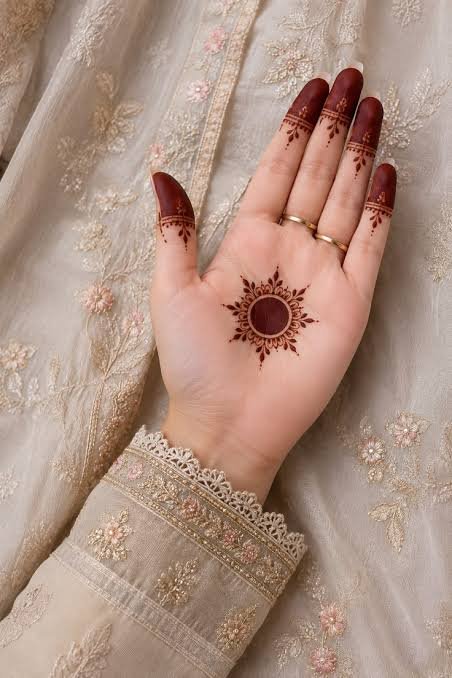
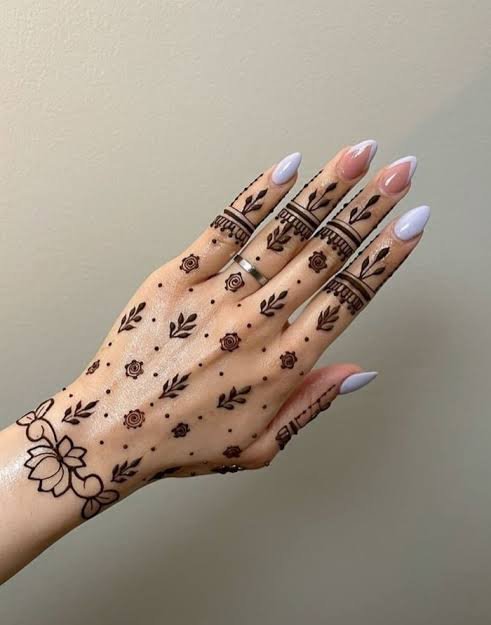
Minimalist patterns are ideal for people who prefer a clean and elegant appearance. These designs usually include small flowers, delicate leaves, fine lines and simple geometric shapes.
They are particularly suitable for casual gatherings, university events and small family celebrations.
Minimalist designs are also a good choice for beginners because they require less time and fewer complicated details.
2. Arabic Mehndi Design
Arabic henna patterns are famous for their bold floral motifs and flowing arrangements. They generally leave some empty spaces between different elements, making the overall design look balanced and attractive.
Popular Arabic patterns include:
Large floral arrangements.
Leafy vines.
Paisley shapes.
Diagonal hand patterns.
Bold outlines with delicate details.
Arabic styles are suitable for Eid, parties, engagement ceremonies and wedding functions.
3. Bridal Mehndi Design
Bridal henna artwork is usually more detailed than everyday patterns. It may cover the palms, fingers, wrists, arms and feet.
Traditional bridal designs often feature:
Floral patterns.
Paisley artwork.

4. Floral Mehndi Design
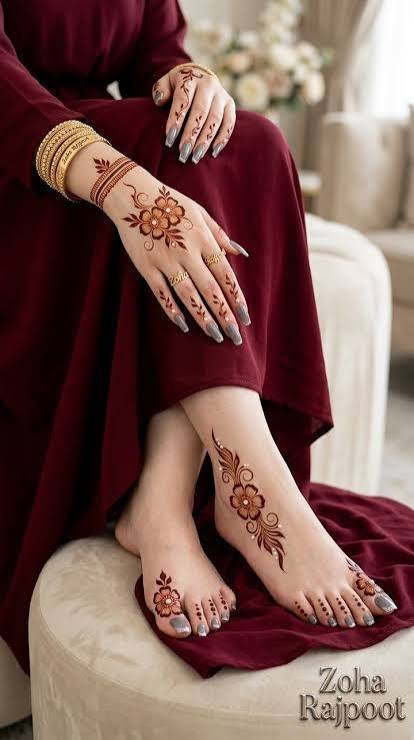
Floral patterns are among the most popular choices because they look graceful and timeless.
These designs feature different flower shapes, including roses, small blossoms and large central flowers.
Floral arrangements can be combined with leaves, curved lines and decorative borders to create beautiful patterns.
They work well for both simple and elaborate occasions.
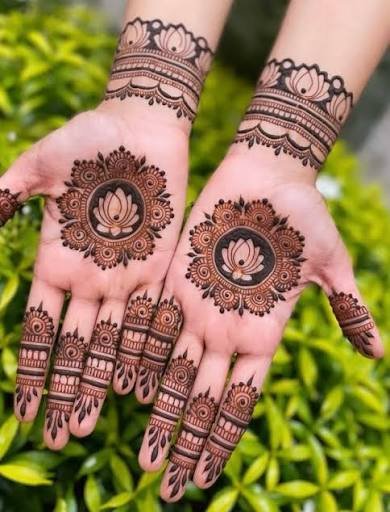
5. Mandala Mehndi Design
Mandala patterns feature circular arrangements with repeated decorative elements.
A central circle is surrounded by different layers of flowers, dots, petals and geometric shapes.
These patterns are especially popular for palm-centred artwork because they create an attractive focal point.
Mandala designs can be simple or highly detailed, depending on the artist’s creativity.
Beautiful Front Hand Mehndi Design Ideas
The front of the hand provides an excellent space for decorative henna artwork. Different patterns can be created according to the size of the palm and the desired level of detail.
Here are some attractive ideas.
Simple Front Hand Patterns
Simple front-hand designs usually feature small flowers, curved lines and decorative finger patterns.
They are suitable for people who want a beautiful appearance without covering their entire palm.
Full Palm Mehndi Patterns
Full palm artwork includes detailed floral motifs, mandalas, paisleys and geometric elements.
These designs are particularly popular during weddings and Eid celebrations.
Finger Mehndi Patterns
Finger artwork focuses on decorating individual fingers with small flowers, dots, leaves and delicate lines.
It can also be combined with a central palm design for a more complete appearance.
Attractive Back Hand Mehndi Design Ideas
The back of the hand offers a different canvas for henna artwork. Since this area is visible when holding objects or greeting others, many people prefer decorative patterns here.
Popular ideas include:
Bracelet Style Mehndi
This style features decorative bands around the wrist that resemble bracelets.
The design can include flowers, small leaves, dots and geometric patterns.
Ring Style Mehndi
Ring-inspired artwork decorates the fingers with delicate patterns that resemble jewellery.
It is an elegant option for people who prefer lightweight designs.
Arabic Back Hand Patterns
Arabic patterns often begin near the wrist and extend diagonally towards the fingers.
Large flowers and leafy vines are common features of this style.
Simple Mehndi Design for Beginners
If you are learning henna art, starting with simple patterns is a good idea. Complicated bridal artwork requires practice, patience and control over the henna cone.
Beginners can start with these easy designs:
Small flower patterns.
Simple leaves and vines.
Dotted finger decorations.
Basic circular mandalas.
Curved wrist bands.
Small heart shapes.
Simple paisley patterns.
Practice drawing these elements on paper before applying them to your hands.
You should also learn how to control the henna cone so that the lines remain consistent.
Eid Mehndi Design Ideas
Eid is one of the most popular occasions for applying henna in Pakistan and other South Asian countries.
Women and girls often choose beautiful patterns to complement their Eid outfits.
For Eid celebrations, some popular choices include:
Simple floral patterns.
Arabic hand artwork.
Mandala designs.
Finger-focused patterns.
Bracelet-style artwork.
Minimalist back-hand patterns.
For a casual Eid gathering, simple designs may be sufficient. For a more formal celebration, you can choose detailed patterns that cover your palms and wrists.
Applying mehndi a day before Eid can also give the stain time to develop.
Bridal Mehndi Design for Weddings
Wedding celebrations are closely associated with henna traditions in many South Asian families.
Bridal artwork is often one of the most important beauty preparations before the wedding day.

A bride may choose designs covering her hands, arms and feet. The patterns can include traditional motifs, floral arrangements, cultural symbols and personalised details.
Traditional Bridal Patterns
Traditional bridal artwork usually includes dense patterns with minimal empty spaces.
Common elements include paisleys, flowers, peacocks, mandalas and decorative borders.
Modern Bridal Patterns
Modern brides sometimes prefer a combination of traditional and contemporary artwork.
For example, they may choose detailed palms with simpler forearms or combine floral patterns with personalised illustrations.
Bridal Feet Mehndi
Feet artwork is another popular part of bridal henna decoration.
It may include floral motifs, anklet patterns, paisleys and decorative designs around the toes.
The final style should complement the bridal outfit and jewellery.
Different Types of Mehndi Styles
There are several traditional and modern henna styles. Understanding their differences can help you select the right pattern.
Pakistani Mehndi Style
Pakistani patterns often combine Indian and Arabic influences.
They can feature detailed floral artwork, paisleys, geometric patterns and decorative finger arrangements.
These styles are commonly selected for weddings and Eid celebrations.
Indian Mehndi Style
Indian henna patterns are frequently recognised for their intricate detailing.
They may feature peacocks, flowers, mandalas and traditional cultural elements.
Some designs cover large areas of the hands and feet with detailed artwork.
Arabic Mehndi Style
Arabic henna is generally characterised by bold flowers, leafy vines and flowing patterns.
It often uses open spaces to create a visually balanced appearance.
Moroccan Mehndi Style
Moroccan henna patterns commonly feature geometric shapes, symmetrical arrangements and decorative lines.
They offer a different appearance compared with floral-heavy designs.
Indo-Arabic Mehndi Style
Indo-Arabic artwork combines the detailed appearance of Indian patterns with the bold and flowing elements of Arabic designs.
It is a popular choice for people who want a combination of traditional and modern styles.
How to Apply Mehndi Properly
Applying henna correctly can improve the appearance and quality of the final stain.
Follow these basic steps:
Step 1: Clean Your Skin
Wash your hands or feet with mild soap and water. Remove any oil, lotion or dirt before applying henna.
Step 2: Prepare the Henna Cone
Choose a good-quality, properly labelled henna product. Check its ingredients and avoid products containing unknown chemicals.
Step 3: Select Your Pattern
Choose a design according to your occasion and skill level.
Beginners should start with simple patterns, while experienced artists can try detailed floral and bridal artwork.
Step 4: Apply the Design
Hold the cone comfortably and apply gentle pressure to create consistent lines.
Work slowly and allow enough space between decorative elements.
Step 5: Allow the Paste to Dry
Let the henna paste dry naturally. Avoid rubbing or disturbing the artwork while it is drying.
Step 6: Remove the Dried Paste
Follow the product instructions for removing the dried paste. Avoid washing the area immediately if the product instructions recommend keeping it dry.
The final stain generally develops gradually over the following 24 to 48 hours.
Tips to Get a Beautiful Dark Mehndi Stain
Many people prefer a rich reddish-brown henna stain. Although the final colour depends on several factors, these tips may help:
Use fresh, high-quality natural henna.
Make sure the skin is clean before application.
Allow the paste to remain on the skin for the recommended time.
Avoid disturbing the design while it dries.
Follow the henna product’s aftercare instructions.
Protect the area from excessive rubbing immediately after removing the paste.
The colour can vary depending on skin type, henna quality, application method and body temperature.
Remember that natural henna usually produces an orange stain initially, which gradually darkens.
How to Choose the Right Mehndi Design
Choosing the right pattern depends on your occasion, outfit and personal preferences.
Consider these factors before selecting a design.
Occasion
A simple pattern is often suitable for casual events, while elaborate artwork may be more appropriate for weddings.
Hand Size and Shape
Select a pattern that complements the available space on your hands.
Large floral motifs can work well on wider areas, while delicate lines and small flowers may suit smaller hands.
Outfit Colour
Consider your outfit when choosing the overall style of your henna artwork.
Traditional designs can complement embroidered dresses, while minimalist patterns may look attractive with modern outfits.
Time Available
Detailed designs require more time to apply. If you have limited time, choose simple Arabic or floral patterns.
Personal Preference
The most important factor is your personal taste. Choose a design that makes you feel comfortable and confident.
Important Safety Tips for Using Mehndi
Although natural henna is commonly used for temporary body decoration, it is important to select safe products.
Keep the following precautions in mind:
Use natural henna from a reputable source.
Read the ingredient list before application.
Avoid products marketed as instant black henna, particularly those containing para-phenylenediamine (PPD).
Perform a small-area skin test according to the product instructions.
Do not apply henna to irritated, damaged or broken skin.
Stop using the product if irritation occurs.
Keep henna away from the eyes and mouth.
Natural henna is generally reddish-brown. A product promising an instant jet-black stain may contain additional chemicals that can cause serious skin reactions.
Frequently Asked Questions About Mehndi Design
1. Which Mehndi Design is best for beginners?
Simple floral patterns, leaves, dots and small mandalas are excellent choices for beginners because they require basic cone control and less detailing.
2. Which henna style is most popular?
Arabic, Pakistani, Indian and Indo-Arabic patterns are popular choices. The best option depends on personal preference and the occasion.
3. How long does mehndi take to dry?
Drying time depends on the henna paste, weather conditions and thickness of application. It may take approximately 20 to 60 minutes, although thicker applications can take longer.
4. How long does a natural henna stain last?
A natural henna stain commonly lasts around one to two weeks. Its duration depends on skin type, washing frequency and aftercare.
5. Which pattern is best for Eid?
Arabic floral patterns, simple finger artwork and mandala designs are popular choices for Eid celebrations.
6. What is the difference between Arabic and Pakistani henna?
Arabic patterns generally feature bold floral motifs and open spaces, while Pakistani designs often combine detailed floral, paisley and geometric elements.
7. Can beginners apply bridal henna?
Beginners can practise basic bridal elements, but detailed bridal artwork requires considerable practice and experience.
8. How can I make my mehndi stain darker?
Use fresh natural henna, follow the recommended application time and allow the stain to develop naturally. Avoid unsafe chemical additives.
9. Is natural henna safe for the skin?
Natural henna is generally well tolerated by many people, but allergic or irritant reactions are possible. Choose reputable products and avoid black henna containing PPD.
10. Which design is best for back hands?
Arabic floral patterns, bracelet-style artwork, finger decorations and leafy vines are attractive options for the back of the hands.
Conclusion
Mehndi is a beautiful traditional art that continues to evolve with modern fashion and creative ideas. From simple floral patterns to detailed bridal artwork, there are countless styles available for every occasion.
Whether you are preparing for Eid, attending a wedding or looking for a simple everyday pattern, selecting the right design can make your hands and feet look elegant.
Arabic, Pakistani, Indian, floral and minimalist patterns each offer a unique appearance. Beginners can start with basic designs and gradually develop their artistic skills through regular practice.
Always choose quality natural henna, follow safe application practices and select patterns that complement your personal style. With the right design and a little creativity, mehndi can make every special occasion even more memorable.