Cars have become an essential part of modern life. They provide convenience, comfort, independence and flexibility for people travelling to work, educational institutions, shopping centres and different destinations. Whether someone needs a vehicle for daily commuting, family trips or long-distance journeys, choosing the right automobile can make everyday transportation easier.
Today, the automobile industry offers a wide variety of vehicles with different designs, technologies, engine capacities and safety features. From affordable hatchbacks to luxury SUVs and modern electric vehicles, buyers have many options according to their budgets and requirements.
Choosing the right Cars requires careful consideration of several factors, including purchase price, fuel consumption, maintenance costs, engine performance, interior comfort and resale value. A vehicle that looks attractive may not always be the most suitable option for your daily needs.
In this comprehensive guide, we will explore different vehicle categories, important features, fuel options, buying tips, maintenance practices and the latest automotive trends. Whether you are purchasing your first vehicle or planning to upgrade your existing one, this article will help you make an informed decision.
What Are Cars?
Cars are motor vehicles primarily designed to transport passengers from one location to another. Most passenger vehicles have four wheels and are powered by petrol, diesel, electricity or a combination of different energy sources.
Modern automobiles are designed to provide transportation while offering comfort, safety, entertainment and improved driving performance.
Over the years, automotive technology has developed significantly. Traditional vehicles mainly relied on mechanical systems, while modern models include digital displays, advanced sensors, automatic transmission systems and driver-assistance technologies.
Some important components include:
Engine or electric motor.
Transmission system.
Braking system.
Steering mechanism.
Suspension system.
Wheels and tyres.
Battery and electrical components.
Safety systems.
All these components work together to provide a reliable and comfortable driving experience.
Different Types of Cars Available in the Market
The automobile market includes several vehicle categories. Each category is designed for different transportation requirements, lifestyles and budgets.
Understanding these categories can help buyers select an appropriate vehicle.
1. Hatchback Cars
Hatchbacks are compact vehicles that usually feature a rear door opening upward to provide access to the passenger and luggage area.
They are popular among individuals and small families because of their compact dimensions and practical design.
Main features include:
Compact body structure.
Easy parking.
Lower fuel consumption in many models.
Affordable maintenance options.
Suitable for city driving.
Practical luggage space.
In Pakistan, popular hatchback examples include Suzuki Alto and Suzuki Cultus.
Hatchbacks are particularly suitable for people who regularly drive in busy urban areas and want an economical transportation option.
2. Sedan Cars
Sedans are passenger vehicles with separate engine, passenger and luggage compartments.
They generally provide more interior space and a comfortable driving experience compared with many smaller hatchbacks.
Important features include:
Spacious passenger seating.
Separate luggage compartment.
Comfortable suspension.
Elegant exterior design.
Different engine options.
Suitable for family transportation.
Popular sedan examples include Toyota Corolla, Honda Civic and Hyundai Elantra.
Sedans are suitable for families, professionals and people who frequently travel between cities.
3. SUV Cars
Sport Utility Vehicles, commonly known as SUVs, are designed to provide additional space, higher ground clearance and versatile driving capabilities.
Many SUVs feature spacious interiors and larger luggage areas, making them suitable for families and adventure enthusiasts.

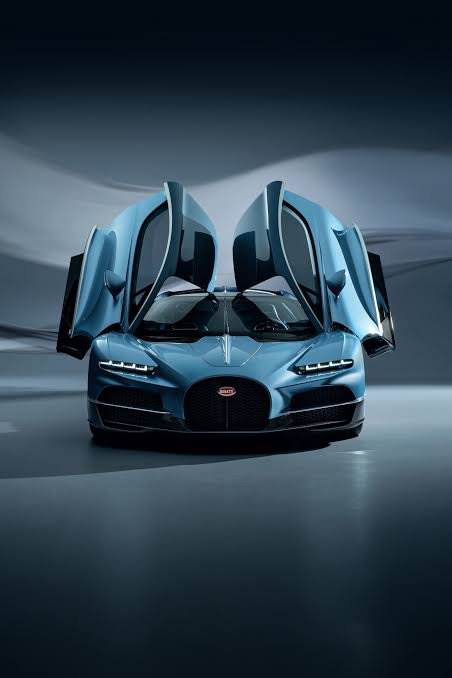
Common features include:
Higher driving position.
Spacious passenger cabin.
Larger luggage capacity.
Higher ground clearance.
Powerful engine options.
Available all-wheel-drive systems in selected models.
Examples include Toyota Fortuner, Kia Sportage, Hyundai Tucson and Toyota Land Cruiser.
SUVs are suitable for people who want a combination of comfort, practicality and road presence.
4. Electric Cars
Electric vehicles use electric motors powered by rechargeable battery systems instead of conventional petrol or diesel engines.
They have become increasingly popular because of their potential to reduce operating costs and eliminate tailpipe emissions.
Main advantages include:
No tailpipe emissions.
Quiet driving experience.
Instant electric motor response.
Reduced routine engine maintenance.
Home and public charging options.
Energy-efficient operation.
Examples include Tesla Model 3, BYD Atto 3 and MG4 Electric.
However, buyers should consider battery range, charging availability, charging time and battery warranty before purchasing an electric vehicle.
5. Hybrid Cars
Hybrid vehicles combine a traditional combustion engine with an electric motor and battery system.
Depending on the model, these systems can improve fuel efficiency by using electric power during certain driving conditions.
Benefits include:
Improved fuel economy in suitable conditions.
Reduced fuel consumption in many city-driving situations.
Regenerative braking.
Combined petrol and electric power.
Reduced tailpipe emissions compared with some conventional vehicles.
Popular examples include Toyota Prius, Toyota Corolla Cross Hybrid and Honda Civic e.
Hybrid technology can be a practical option for people who want better fuel efficiency without depending entirely on charging infrastructure.
6. Luxury Cars
Luxury vehicles are designed to provide premium comfort, advanced technology and refined driving experience.


They generally feature high-quality interior materials, sophisticated entertainment systems and advanced safety technologies.
Common luxury brands include Mercedes-Benz, BMW, Audi, Lexus and Porsche.
These vehicles are often more expensive to purchase and maintain. Therefore, buyers should consider long-term ownership expenses before making a decision.
Important Features to Consider When Buying Cars
Purchasing a vehicle is a major financial decision. Before choosing a particular model, buyers should compare different features and understand their importance.
1. Engine Performance
Engine performance determines how effectively a vehicle produces power and responds to driving conditions.
Factors such as engine capacity, horsepower, torque and transmission type can influence acceleration and overall performance.
People who mainly drive in cities may prefer smaller engines, while frequent motorway travellers may prioritise stronger performance and comfortable cruising.
2. Fuel Efficiency
Fuel efficiency is one of the most important factors for people who regularly travel long distances.
A fuel-efficient vehicle consumes less fuel for a given distance, helping reduce transportation expenses.
Before purchasing, compare the manufacturer’s claimed fuel economy with independent real-world reviews.
3. Safety Features
Safety should always be a priority when selecting a vehicle.
Modern safety technologies can help reduce the risk of accidents and protect passengers.
Important features include:
Anti-lock Braking System (ABS).
Electronic Stability Control (ESC).
Multiple airbags.
Rear parking sensors.
Rear-view cameras.
Automatic Emergency Braking (AEB).
Lane Departure Warning.
Blind Spot Monitoring.
The availability of these features varies by model and trim level.
4. Interior Comfort
A comfortable interior can make daily commuting and long journeys more enjoyable.
Look for supportive seats, sufficient legroom, good ventilation and convenient storage compartments.
Families should also consider rear-seat comfort and child-seat compatibility.
5. Maintenance Costs
Maintenance expenses can significantly affect the total cost of ownership.
Before purchasing, research the availability and prices of replacement parts, routine servicing and common repairs.
Vehicles with accessible spare parts and a reliable service network can be easier to maintain.
6. Resale Value


Resale value is another important consideration, particularly in markets where buyers frequently change vehicles.
Factors influencing resale value include brand reputation, vehicle condition, mileage, maintenance history and market demand.
A vehicle with strong resale demand may help reduce financial losses when selling it later.
Best Cars for Different Budgets and Requirements
There is no single vehicle that suits everyone. The best choice depends on individual requirements and available finances.
Here are some examples for different buyer categories.
Affordable Vehicles
People with limited budgets may consider economical hatchbacks and smaller sedans.
In Pakistan, models such as Suzuki Alto and Suzuki Cultus are commonly considered by buyers looking for compact transportation.
Family Vehicles
Families generally need comfortable seating, sufficient luggage space and reliable safety equipment.
Options such as Toyota Corolla, Honda Civic and selected SUVs may be worth comparing.
Fuel-Efficient Vehicles
People who travel frequently can consider hybrid vehicles or economical petrol models.
Toyota Prius and selected hybrid models offer alternatives for buyers prioritising fuel efficiency.
Premium Vehicles
Buyers looking for advanced comfort and premium features can explore models from Mercedes-Benz, BMW, Audi and Lexus.
However, they should also consider insurance, servicing and replacement-part costs.
Factors That Affect Car Prices
Vehicle prices can vary significantly depending on the manufacturer, model, engine, features and market conditions.
Understanding these factors helps buyers compare different options.
1. Brand Reputation
Established manufacturers may charge different prices based on their reputation, product quality and customer demand.
2. Engine Capacity
Vehicles with larger engines and higher performance capabilities may have higher purchase and operating costs.
3. Technology and Features
Advanced infotainment systems, safety technologies, premium interiors and driver-assistance features can increase vehicle prices.
4. Import Duties and Taxes
In countries such as Pakistan, import duties, taxes and government policies can influence the final prices of imported vehicles.
5. Supply and Demand
Limited availability and strong consumer demand can affect market prices.
6. Vehicle Condition
Used vehicles are priced according to mileage, accident history, mechanical condition and maintenance records.
New Cars vs Used Cars: Which Is Better?
Buyers often face a choice between purchasing a brand-new vehicle and selecting a used one.
Both options have advantages and disadvantages.
| Comparison | New Vehicle | Used Vehicle |
|---|---|---|
| Purchase price | Generally higher | Generally lower |
| Condition | Factory-new | Depends on history |
| Warranty | Usually available | Depends on remaining coverage |
| Maintenance | Usually lower initially | May be higher |
| Depreciation | Higher initial depreciation | Often slower |
| Selection | Current models | Wider model-year options |
Advantages of Buying New
A new vehicle provides factory-new components, updated features and manufacturer warranty coverage.
Buyers can also select their preferred variant, colour and available options.
Advantages of Buying Used
Used vehicles can provide better value for buyers with limited budgets.
However, always arrange a professional mechanical inspection and verify the ownership documents before completing a purchase.
How to Choose the Right Car for Your Needs
Selecting an appropriate vehicle requires more than comparing exterior designs.
Follow these steps to make a practical buying decision.
Step 1: Set Your Budget
Decide how much you can spend, including registration, taxes, insurance and initial maintenance expenses.
Step 2: Identify Your Requirements
Consider the number of passengers, daily travelling distance and typical road conditions.
Step 3: Compare Different Models
Research different manufacturers, specifications, safety ratings and customer reviews.
Step 4: Check Fuel Consumption
Estimate your monthly fuel expenses based on your expected driving distance.
Step 5: Inspect Safety Features
Prioritise important safety equipment rather than choosing a vehicle only for its appearance.
Step 6: Take a Test Drive
A test drive helps you evaluate steering, braking, suspension, visibility and overall comfort.
Step 7: Review Ownership Costs
Compare insurance, spare parts, maintenance and resale value.
Step 8: Complete Documentation
Before finalising the purchase, verify ownership records and all relevant legal documents.
Essential Car Maintenance Tips
Regular maintenance helps improve vehicle reliability, safety and performance.
Neglecting routine servicing can lead to expensive repairs and unexpected breakdowns.
Here are some important maintenance practices.
Check Engine Oil
Engine oil lubricates moving components and helps reduce friction. Follow the manufacturer’s recommended oil type and replacement schedule.
Maintain Tyre Pressure
Incorrect tyre pressure can affect fuel consumption, braking performance and tyre life.
Check pressure regularly according to the manufacturer’s recommendations.
Inspect the Braking System
Pay attention to unusual sounds, vibrations or changes in braking performance.
Have the braking system inspected when necessary.
Maintain the Battery
Check battery condition and electrical connections regularly.
For electric and hybrid vehicles, follow the manufacturer’s battery-care recommendations.
Replace Air Filters
Clean air filters help maintain proper airflow and engine performance.
Replace them according to the recommended maintenance schedule.
Keep the Vehicle Clean
Regular washing and interior cleaning help maintain appearance and protect surfaces from excessive dirt and damage.
Latest Trends in the Automobile Industry
The automobile industry continues to develop through innovation, environmental awareness and digital technology.
Several important trends are influencing the future of transportation.
Electric Mobility
Electric vehicles are receiving increased attention because of their energy efficiency and potential environmental benefits.
Manufacturers are investing in battery technology, charging systems and improved driving range.
Advanced Driver Assistance Systems
Modern vehicles increasingly include technologies that support drivers during different driving situations.
Examples include adaptive cruise control, lane-keeping assistance and automatic emergency braking.
Connected Vehicles
Some modern models offer internet connectivity, smartphone integration, navigation and remote vehicle monitoring.
These features improve convenience and provide additional information to drivers.
Autonomous Driving Technology
Automakers and technology companies continue researching automated driving systems.
However, the capabilities and legal availability of these technologies differ between manufacturers and regions.
Sustainable Manufacturing
Manufacturers are exploring recyclable materials, more efficient production methods and alternative energy technologies to reduce environmental impact.
Frequently Asked Questions (FAQs)
1. Which type of car is best for daily use?
Hatchbacks and fuel-efficient sedans are popular choices for daily commuting because of their practical dimensions and economical operation.
2. What is the difference between hybrid and electric vehicles?
Hybrid vehicles combine a combustion engine with an electric motor, while fully electric vehicles operate using electric motors powered by rechargeable batteries.
3. Are SUVs better than sedans?
SUVs generally offer higher ground clearance and additional space, while sedans may provide better fuel efficiency and easier handling. The best option depends on individual needs.
4. What should I check before buying a used car?
Check the engine, transmission, brakes, tyres, suspension, service history, accident records and ownership documents. A professional inspection is strongly recommended.
5. Which features are most important in a vehicle?
Safety systems, fuel efficiency, engine reliability, comfortable seating and reasonable maintenance expenses are among the most important considerations.
6. How often should a vehicle be serviced?
Follow the maintenance intervals recommended by the manufacturer. Service schedules differ according to vehicle type, mileage and operating conditions.
7. Are electric vehicles suitable for long-distance travel?
They can be suitable when the route has adequate charging facilities and the vehicle offers sufficient driving range. Planning charging stops is important.
8. What affects vehicle resale value?
Brand reputation, mileage, maintenance history, overall condition, model popularity and market demand can all influence resale value.
9. Is a hybrid vehicle more economical?
Hybrid vehicles can provide improved fuel efficiency, particularly in stop-and-go traffic. Actual savings depend on the model, driving habits and fuel prices.
10. How can I reduce vehicle maintenance expenses?
Follow the recommended servicing schedule, maintain correct tyre pressure, use suitable replacement parts and address mechanical problems early.
Conclusion
The automobile industry offers a wide range of transportation options for people with different budgets, lifestyles and requirements. From compact hatchbacks and comfortable sedans to powerful SUVs, hybrid models and fully electric vehicles, buyers can select a suitable option according to their priorities.
Choosing the right Cars requires careful research and comparison. Purchase price, fuel efficiency, safety, maintenance expenses and resale value should all be considered before making a final decision.
Regular maintenance is equally important because it helps protect your investment and supports reliable performance.
Whether you are purchasing your first vehicle or upgrading to a newer model, take time to understand your requirements, compare available options and arrange a proper inspection before buying.
With the right information and careful planning, you can select a vehicle that provides comfort, convenience, safety and long-term value.